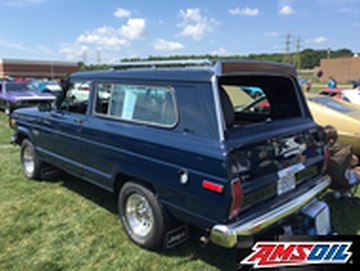
Maintaining Lubrication Integrity for the 1981 Jeep SCRAMBLER 2.5L
Proper engine maintenance is a cornerstone of long-term vehicle health, particularly for utility-focused vehicles like the 1981 Jeep SCRAMBLER. Ensuring that the lubrication system remains clean and effective helps manage the mechanical stresses encountered during various driving conditions. For an engine with the 2.5L configuration, consistent attention to fluid quality and component condition is essential for maintaining operational efficiency.
Monitoring Fluid Condition and Potential Leaks
One of the most effective ways to monitor the health of a vehicle's lubrication system is through regular visual inspections. Rather than waiting for a warning light or a significant mechanical change, an owner can proactively look for signs of fluid seepage. Inspecting the area around the engine block and various sealing surfaces can reveal early evidence of leaks. If any dampness or residue is observed on gaskets or seals, it warrants closer investigation to prevent further loss of lubricant.
Beyond looking for external leaks, observing the appearance of the oil itself provides valuable information. When checking the fluid level, note its color and consistency. While some degree of darkening is expected as the oil undergoes its service life, extreme discoloration or a gritty texture can indicate that the lubricant has been heavily contaminated or has exceeded its effective service life. If the fluid appears unusually thin or shows signs of contamination from other fluids, it may be necessary to perform a service to restore system integrity.
Managing Aging Components and Materials
As vehicles age, the materials used in various systems can undergo changes due to heat cycles and environmental exposure. For a 1981 model, it is practical to adopt a condition-based approach to maintenance rather than relying solely on the age of the vehicle. This means inspecting components based on their actual state of wear and deterioration.
If equipped, accessible drive belts should be checked for signs of cracking, glazing, or fraying. Similarly, if present, rubber hoses should be inspected for softness, swelling, or brittleness. These materials are subject to the heat generated by the engine and can lose their structural integrity over time. Addressing these items when they show early signs of wear is a proactive way to prevent unexpected interruptions in service. Furthermore, checking electrical connections for corrosion or loose seating ensures that sensors and other vital components continue to communicate accurately with the vehicle's systems.
Establishing a Maintenance Baseline
For many owners of classic vehicles, the complete service history may not always be readily available. In these instances, establishing a maintenance baseline is a highly effective strategy. This involves performing a comprehensive inspection of all fluids and major mechanical components to determine their current state. By documenting the condition of the oil, the presence of any minor seeps, and the status of belts or hoses, you create a reference point for future service.
Once this baseline is established, subsequent maintenance becomes much more precise. You can track whether a small seep is growing, whether fluid consumption is increasing, or if certain components are deteriorating at an accelerated rate. Keeping detailed records of every oil change, filter replacement, and observed inspection result allows for better decision-making regarding when to perform preventive maintenance versus when to address an active issue.
Observing Potential Warning Signs
While proactive inspections are ideal, being able to recognize symptoms that require immediate attention is critical. It is important to understand that many different issues can produce similar symptoms; therefore, a single observation should be treated as a prompt for investigation rather than a definitive diagnosis.
- Unusual Noises: Any new or changing mechanical sounds coming from the engine area should be investigated promptly.
- Fluid Consumption: If you notice that you are needing to add lubricant more frequently than usual, this may indicate an internal or external issue that needs to be identified.
- Changes in Exhaust Appearance: While exhaust characteristics can vary based on many factors, any sudden or persistent changes should be monitored.
- Temperature Fluctuations: If the engine begins to operate at temperatures outside of its normal range, it could be associated with various cooling or lubrication concerns.
If any of these signs occur, a thorough inspection is recommended to determine the underlying cause and prevent potential complications.
Prioritizing Service Tasks
Effective maintenance is often about knowing where to focus your efforts. Rather than attempting to address every possible component at once, prioritize tasks based on the current condition of the vehicle. If there are active leaks or if a fluid shows signs of significant contamination, these should be addressed before moving on to general preventive measures.
Distinguishing between necessary repairs and unnecessary parts replacement is also key to efficient ownership. A component that is aging but still performing within its functional parameters may not require immediate replacement, whereas a component showing active signs of failure must be prioritized. By focusing on the most pressing needs first—guided by your established maintenance baseline—you can manage the upkeep of the 1981 Jeep SCRAMBLER in a way that is both practical and effective.
Practical Guidance for Buying Engine Oil for the 1981 Jeep SCRAMBLER 2.5L
When it is time to replenish your engine's lubricant, the most important step is ensuring the product matches the specific requirements of your application. To ensure proper protection and performance, match the engine oil to the application-specific viscosity information already displayed on this webpage.
As you shop for products, consider the following practical tips:
- Verify Labeling: Always check the product packaging to confirm that the SAE viscosity matches what is listed in your vehicle's application data.
- Check Certifications: Look for appropriate API (American Petroleum Institute) service classifications on the bottle to ensure the oil meets modern quality standards for lubrication and deposit control.
- Evaluate Formulations: Depending on your specific needs, you may choose between conventional, synthetic blend, or full synthetic oils. Some high-mileage formulations also contain additives intended for use in aging engines, including seal-conditioning additives.
- Avoid Assumptions: Do not rely on general knowledge regarding vehicle age to select an oil; always defer to the specific information provided for your 1981 Jeep SCRAMBLER 2.5L.